



Featured Brilliant Manufacturing, Operational & Industrial Intelligence Articles, Analysis, Reviews, Interviews & Views
....
What Are the Benefits of SDRs for Adding Wireless Networks to Manufacturing Plants?
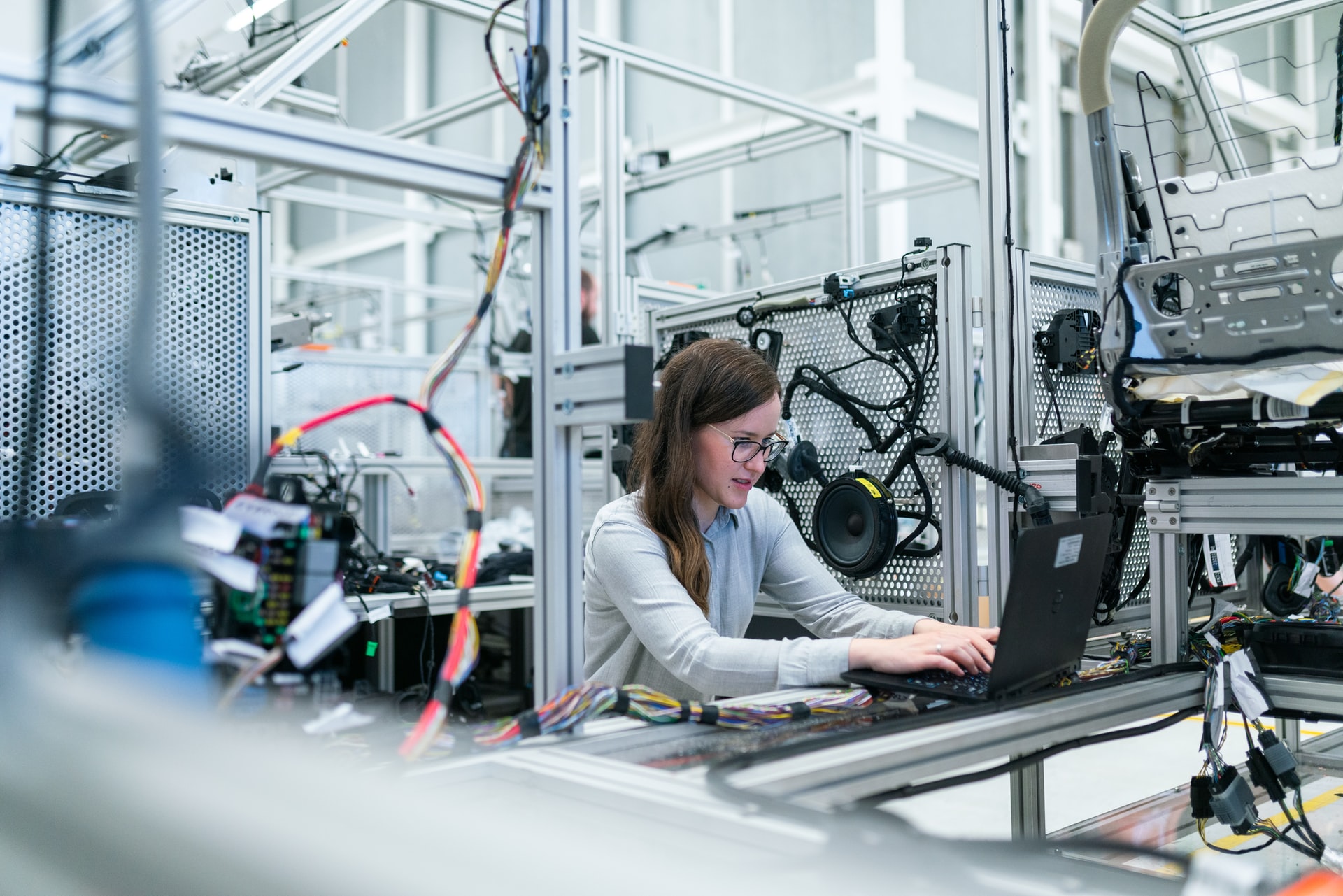 Software-defined radios (SDRs) could help manufacturers update their technology and optimize wireless networks. High usage flexibility is just one benefit of SDRs. This technology can facilitate improved communication, strengthen cybersecurity, and make it easier to update and work with aging legacy systems.
SDRs are a crucial part of modern telecommunications technology that can go a long way toward improving wireless network performance in manufacturing plants. Here's what companies should k
...See More..
Software-defined radios (SDRs) could help manufacturers update their technology and optimize wireless networks. High usage flexibility is just one benefit of SDRs. This technology can facilitate improved communication, strengthen cybersecurity, and make it easier to update and work with aging legacy systems.
SDRs are a crucial part of modern telecommunications technology that can go a long way toward improving wireless network performance in manufacturing plants. Here's what companies should k
...See More..
by
Emily Newton
What Are the Benefits of SDRs for Adding Wireless Networks to Manufacturing Plants?
by Emily Newton
How Warehouse Optimization Technology : Impacts Sparkling Wine Manufacturer Schloss Wachenheim
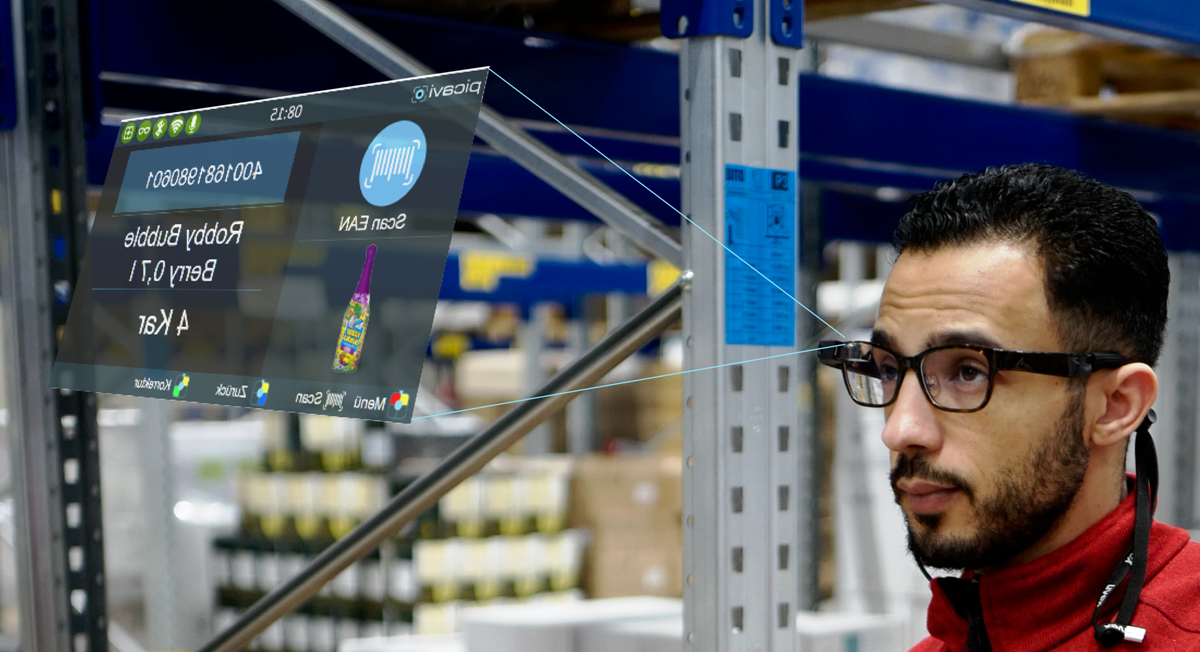 Schloss Wachenheim mastered challenges with Pick-by-Vision from Picavi.
The company reduced the error rate in order picking and optimizes productivity and workplace safety.
In practice, the advantages of Pick-by-Vision quickly became apparent. With the help of the smart glasses, the time required can be reduced considerably, as the tedious final inspection is integrated directly into the picking process. For this purpose, the barcode of the item was linked to that of the corresponding carton
...See More..
Schloss Wachenheim mastered challenges with Pick-by-Vision from Picavi.
The company reduced the error rate in order picking and optimizes productivity and workplace safety.
In practice, the advantages of Pick-by-Vision quickly became apparent. With the help of the smart glasses, the time required can be reduced considerably, as the tedious final inspection is integrated directly into the picking process. For this purpose, the barcode of the item was linked to that of the corresponding carton
...See More..
How Warehouse Optimization Technology : Impacts Sparkling Wine Manufacturer Schloss Wachenheim
Egyptian Manufacturer LinkMisr : Highlights Warehouse Automation Benefits at MODEX 2022
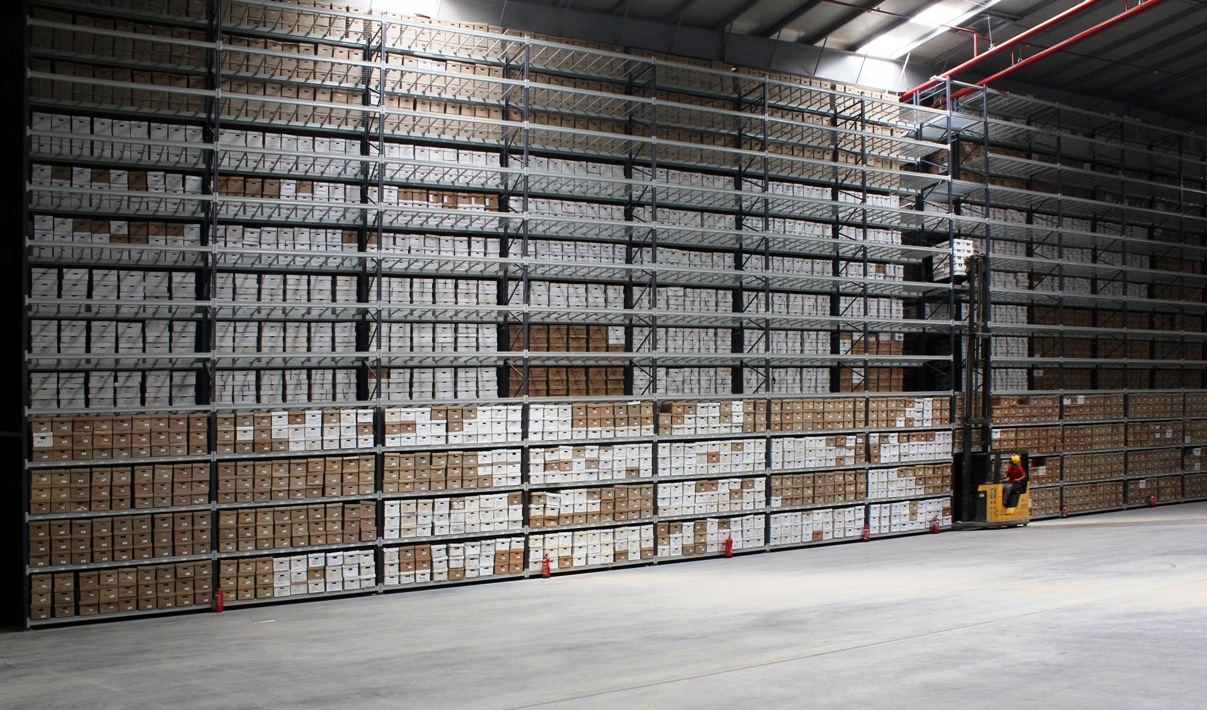 As warehouse and distribution managers look to streamline operations, improve efficiency and production, and reduce costs, warehouse automation is on the rise. The benefits of warehouse automation are numerous. For warehouse managers just delving into automation, one of the first benefits realized is a reduction in manual errors. The cost per error ranges from $50 to $300. When multiplying the error cost by the 1%-3% error rate, represents a significant impact on the company's bottom line.
...See More..
As warehouse and distribution managers look to streamline operations, improve efficiency and production, and reduce costs, warehouse automation is on the rise. The benefits of warehouse automation are numerous. For warehouse managers just delving into automation, one of the first benefits realized is a reduction in manual errors. The cost per error ranges from $50 to $300. When multiplying the error cost by the 1%-3% error rate, represents a significant impact on the company's bottom line.
...See More..
Egyptian Manufacturer LinkMisr : Highlights Warehouse Automation Benefits at MODEX 2022
AGV ROI Starts with a Delivery Commitment
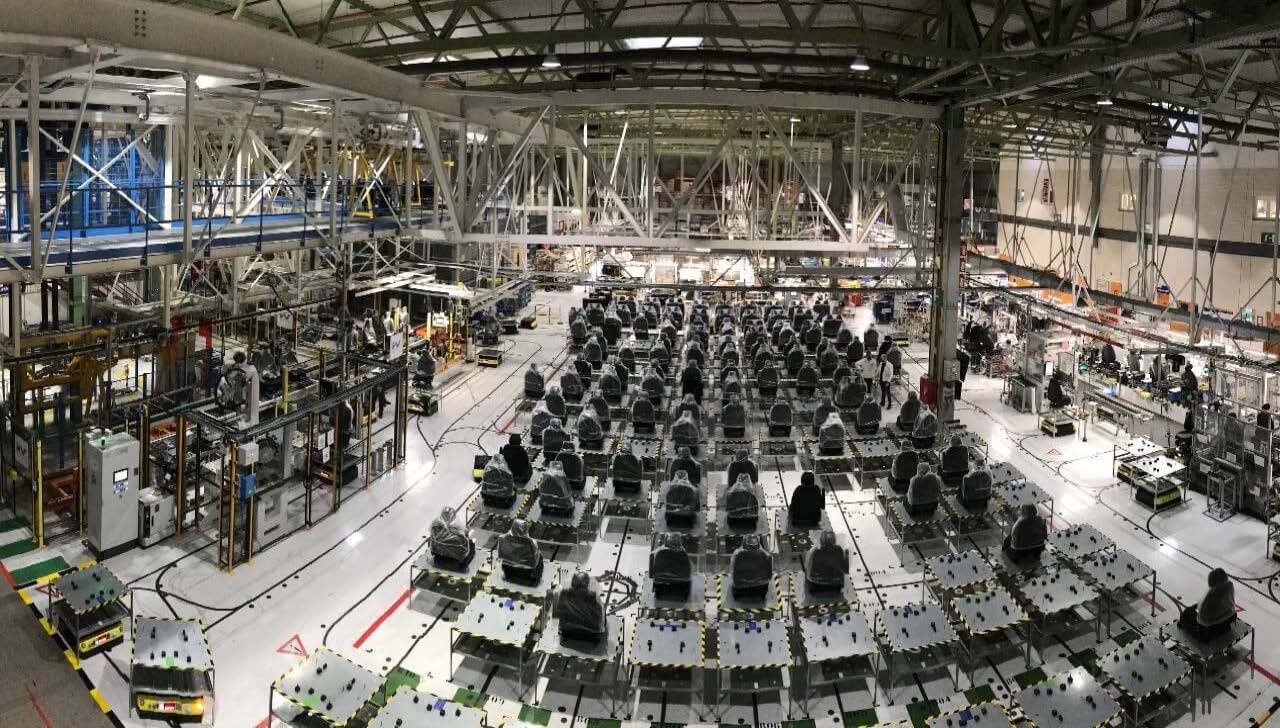 The best automation solution on paper means nothing if it cannot be delivered in 2022. Selling the sexy sizzle of new, clever, even remarkable AGVs means nothing if manufacturers and distribution centers cannot take delivery of the product until 2023.
So much emphasis has been placed on features, advantages, and benefits; too little attention has been paid to delivery dates. Throughout industrial manufacturing and distribution the lead time from many AGV manufacturers is more than a year. Tha
...See More..
The best automation solution on paper means nothing if it cannot be delivered in 2022. Selling the sexy sizzle of new, clever, even remarkable AGVs means nothing if manufacturers and distribution centers cannot take delivery of the product until 2023.
So much emphasis has been placed on features, advantages, and benefits; too little attention has been paid to delivery dates. Throughout industrial manufacturing and distribution the lead time from many AGV manufacturers is more than a year. Tha
...See More..
by
Mike Kotzian
AGV ROI Starts with a Delivery Commitment
by Mike Kotzian
Automation and Artificial Intelligence in the Film Industry
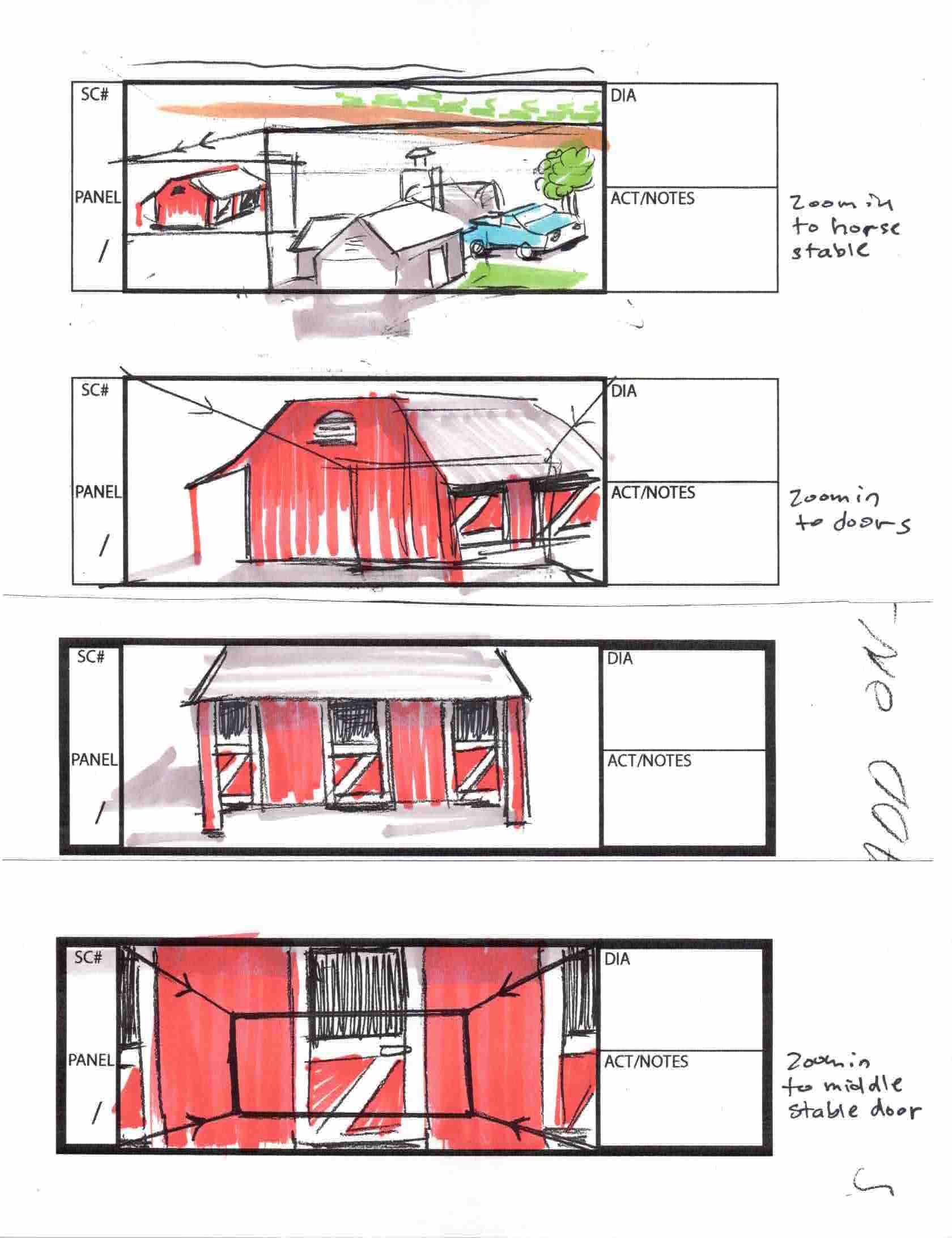 JKY: Like stocks, past performance on any given project in the entertainment industry is not a guarantee of future earnings. Through automation and AI advancements in manufacturing, the entertainment industry has found ways to streamline the processes involved in pre-production such as casting actors through a digital platform like Actors Access or LAcasting. A database is available for casting to consider past performances by talent as well as making a more efficient workplace for film makers
...See More..
JKY: Like stocks, past performance on any given project in the entertainment industry is not a guarantee of future earnings. Through automation and AI advancements in manufacturing, the entertainment industry has found ways to streamline the processes involved in pre-production such as casting actors through a digital platform like Actors Access or LAcasting. A database is available for casting to consider past performances by talent as well as making a more efficient workplace for film makers
...See More..
Automation and Artificial Intelligence in the Film Industry
A Call-to-Action: Rethinking Automation for Generation Z
 With more Gen Zers joining the manufacturing workforce, there are significant culture shifts needed to accommodate how these new workers (born from 1996 - 2010) view automation. As the first Gen Zer member of the Manufacturing Media Consortium (founded by Thomas R. Cutler, 23 years ago, before I was born) I can vouch for this need to reframe the context of automation for my generation. Failure to do so will make
...See More..
With more Gen Zers joining the manufacturing workforce, there are significant culture shifts needed to accommodate how these new workers (born from 1996 - 2010) view automation. As the first Gen Zer member of the Manufacturing Media Consortium (founded by Thomas R. Cutler, 23 years ago, before I was born) I can vouch for this need to reframe the context of automation for my generation. Failure to do so will make
...See More..
A Call-to-Action: Rethinking Automation for Generation Z
Quality Digest Defines Enhanced Webinar Events
 Quality Digest continues its important role as companies navigate a post-COVID reality with a critical role of safety, quality, efficiency, and resiliency. Quality elements are no longer an after-thought. It is essential when examining automation, lean manufacturing, and new paradigms for best practice. During COVID, all of us became more remote savvy and the demand for visionary content and information essential.
...See More..
Quality Digest continues its important role as companies navigate a post-COVID reality with a critical role of safety, quality, efficiency, and resiliency. Quality elements are no longer an after-thought. It is essential when examining automation, lean manufacturing, and new paradigms for best practice. During COVID, all of us became more remote savvy and the demand for visionary content and information essential.
...See More..
Quality Digest Defines Enhanced Webinar Events
Discrete Manufacturers Access New Tools to Manage a Changing Factory Floor
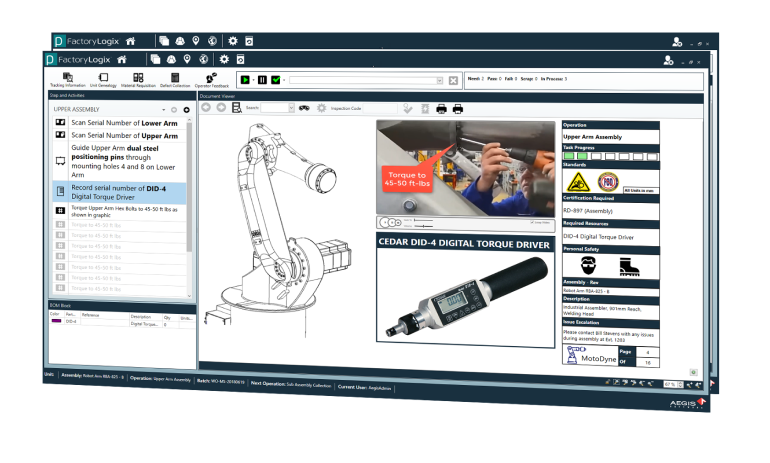 Manufacturing journalist Thomas R. Cutler interviews Aegis Software founder Jason Spera. Makers of FactoryLogix, Spera shares the trends in factory floor automation including Industry 4.0-IIoT capabilities, which seamlessly connect assets and systems.
He also discusses a lower cost of ownership with a highly configurable, low-risk
...See More..
Manufacturing journalist Thomas R. Cutler interviews Aegis Software founder Jason Spera. Makers of FactoryLogix, Spera shares the trends in factory floor automation including Industry 4.0-IIoT capabilities, which seamlessly connect assets and systems.
He also discusses a lower cost of ownership with a highly configurable, low-risk
...See More..
Discrete Manufacturers Access New Tools to Manage a Changing Factory Floor
Large Manufacturers with Special Projects No Longer Ignored - Thanks to Project Business Automation
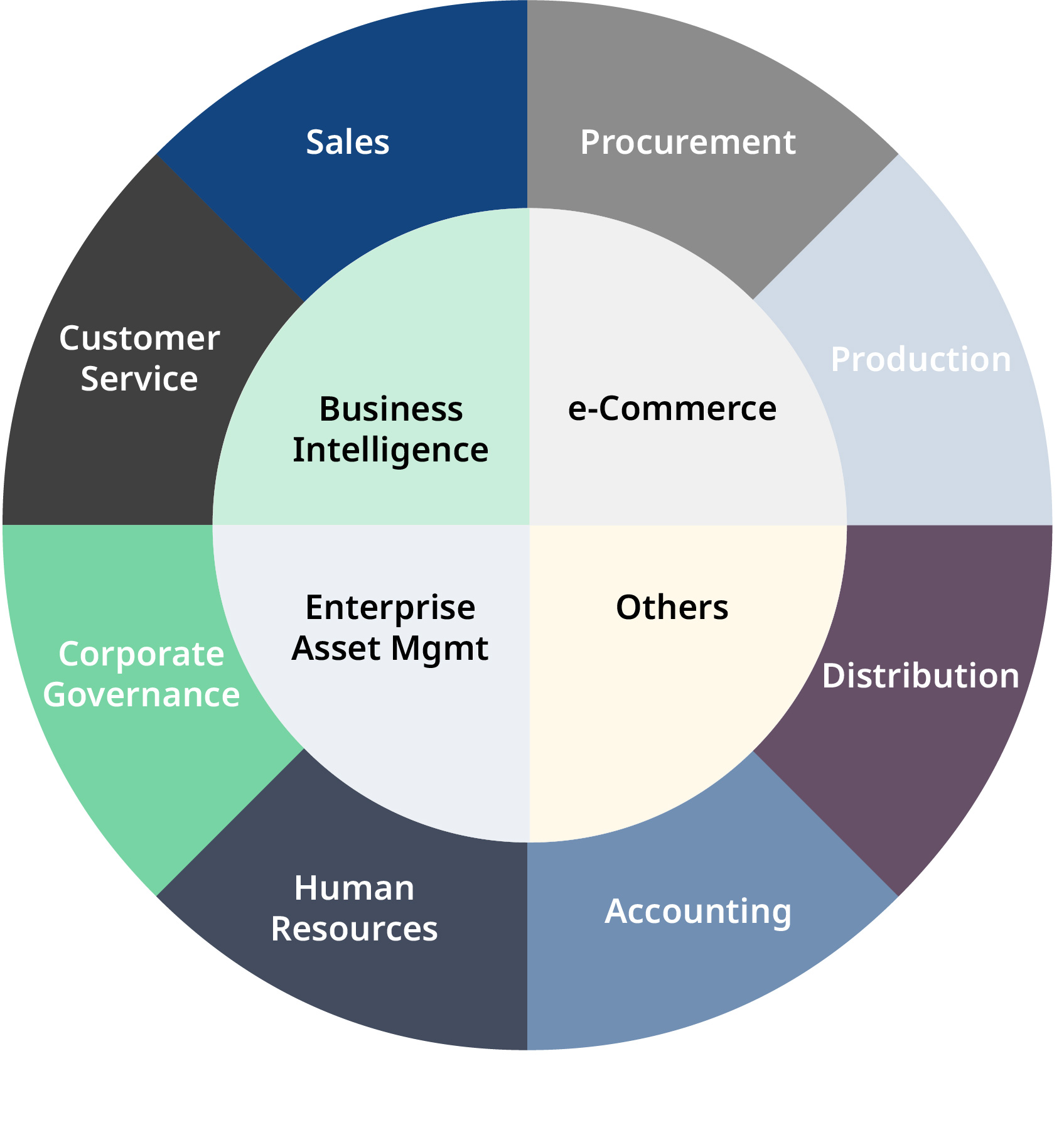 Project-based industries represent between 20 to 30 percent of all large manufacturers, most of which require their own business system. Traditional systems do not work for this type of manufacturing process. Typically, a business system is any technological system that supports a
...See More..
Project-based industries represent between 20 to 30 percent of all large manufacturers, most of which require their own business system. Traditional systems do not work for this type of manufacturing process. Typically, a business system is any technological system that supports a
...See More..
Large Manufacturers with Special Projects No Longer Ignored - Thanks to Project Business Automation
Manufacturing Throughput Starts with Hiring
 For small to mid-sized manufacturers, falling behind on manufacturing throughput means delayed deliveries, which drives customers to find suppliers who deliver on-time. Manufacturing success relies largely on the ability to increase throughput and satisfy customers. Improving manufacturing throughput is not the same as output. Output refers to the total production: quantity produced or completed including rejections, scrap, and stockpiled items. It is considered a measure of productive capacit
...See More..
For small to mid-sized manufacturers, falling behind on manufacturing throughput means delayed deliveries, which drives customers to find suppliers who deliver on-time. Manufacturing success relies largely on the ability to increase throughput and satisfy customers. Improving manufacturing throughput is not the same as output. Output refers to the total production: quantity produced or completed including rejections, scrap, and stockpiled items. It is considered a measure of productive capacit
...See More..
Manufacturing Throughput Starts with Hiring
Driving Throughput Up to 55% Using Autonomous Reach Trucks
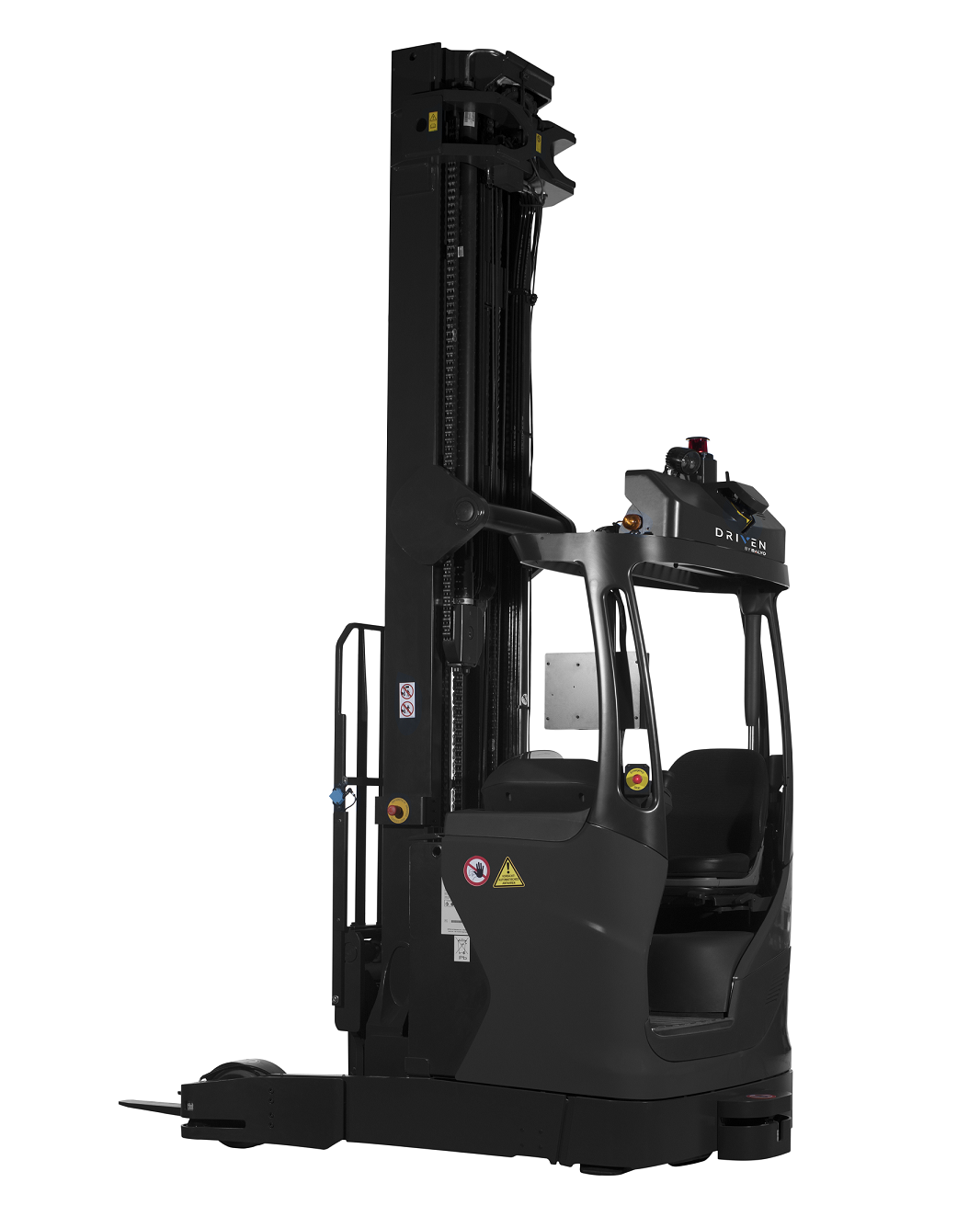 Load movements up to 55% faster dramatically increase throughput. Autonomous reach trucks are most valuable in the manufacturing, distribution, and 3PL environment when embedded with infrastructure-free navigation technology. After a decade of research and development, the best-in-class reach trucks use 3D cameras to pick and drop pallets safely. The reach robot drives cost savings and
...See More..
Load movements up to 55% faster dramatically increase throughput. Autonomous reach trucks are most valuable in the manufacturing, distribution, and 3PL environment when embedded with infrastructure-free navigation technology. After a decade of research and development, the best-in-class reach trucks use 3D cameras to pick and drop pallets safely. The reach robot drives cost savings and
...See More..
by
John Hayes
Driving Throughput Up to 55% Using Autonomous Reach Trucks
by John Hayes
Automated Guided Vehicles Require In Process Charging
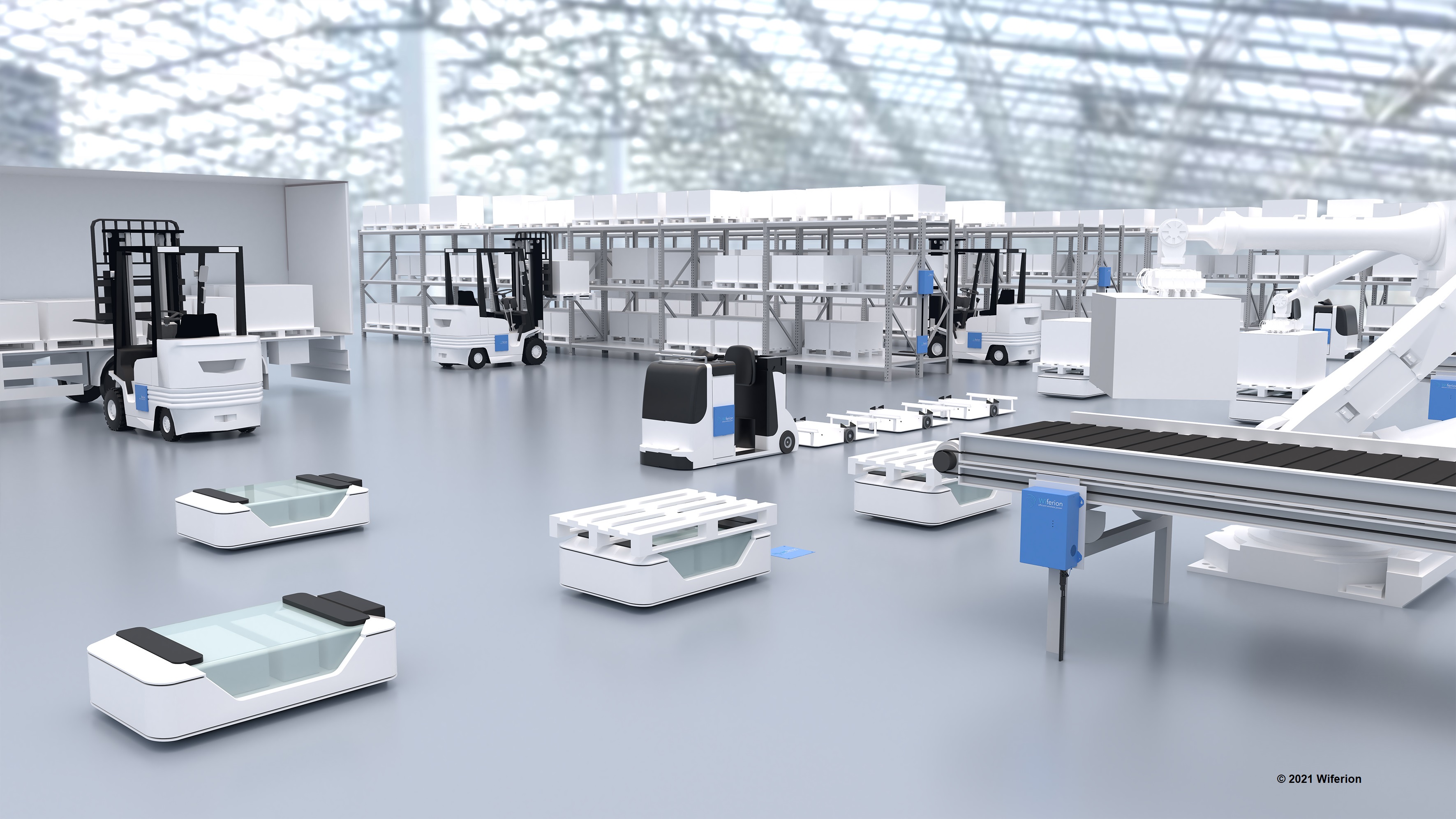 Plugging in an AGV to charge is NOT autonomous.
Plugging in an AGV to charge is NOT lean.
Plugging in an AGV to charge is NOT safe.
Plugging in an AGV to charge is NOT cost-efficient.
In process charging eliminates the plug-in charging making AGVs (automated guided vehicles) truly autonomous. In process charging eliminates the waste of AGV downtime... the fleet is always working AND charging. In process charging is safe ensuring the OSHA, ergonomics, and danger to workers significantly redu
...See More..
Plugging in an AGV to charge is NOT autonomous.
Plugging in an AGV to charge is NOT lean.
Plugging in an AGV to charge is NOT safe.
Plugging in an AGV to charge is NOT cost-efficient.
In process charging eliminates the plug-in charging making AGVs (automated guided vehicles) truly autonomous. In process charging eliminates the waste of AGV downtime... the fleet is always working AND charging. In process charging is safe ensuring the OSHA, ergonomics, and danger to workers significantly redu
...See More..
by
Julian Seume
Automated Guided Vehicles Require In Process Charging
by Julian Seume
Automation Trend: Pairing Supply Chain Planning with Price Optimization
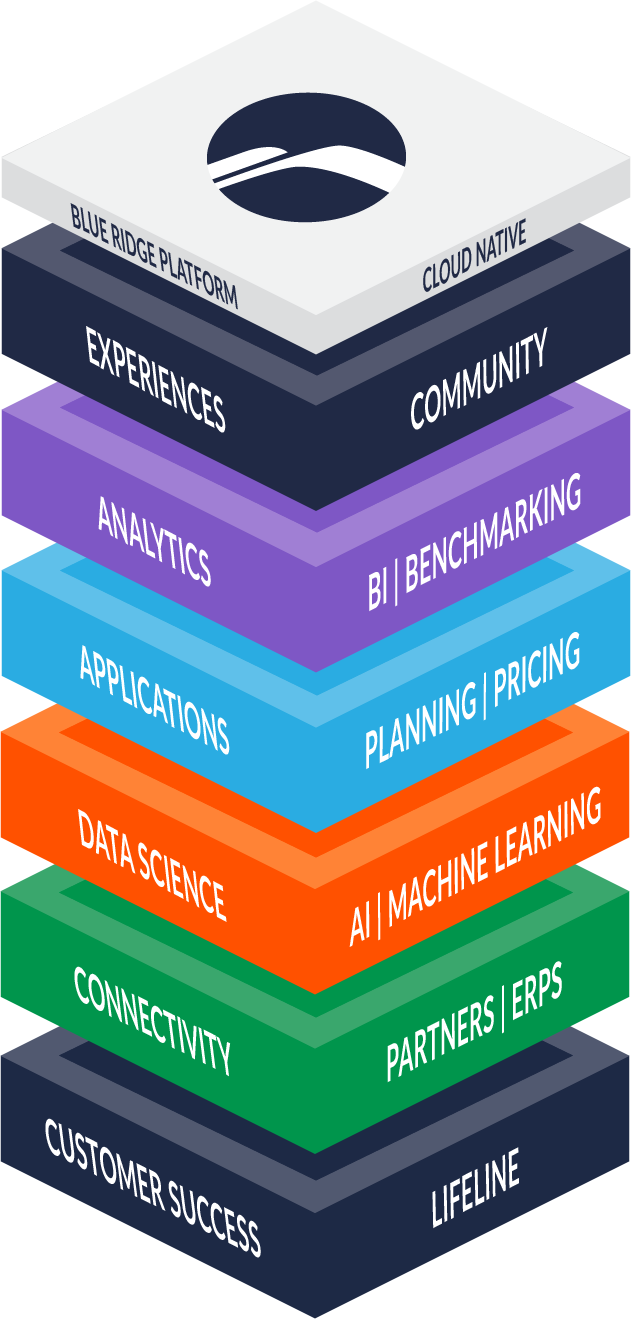 As e-commerce continues to threaten the market with competitive products that are available nearly instantly, shifting consumer trends can make stocking shelves even more challenging. 2021 is the year when companies need earlier insights into new market opportunities, including what items consumers want, on what channel
...See More..
As e-commerce continues to threaten the market with competitive products that are available nearly instantly, shifting consumer trends can make stocking shelves even more challenging. 2021 is the year when companies need earlier insights into new market opportunities, including what items consumers want, on what channel
...See More..
by
Mike Mills
Automation Trend: Pairing Supply Chain Planning with Price Optimization
by Mike Mills
Automating the RFQ Process
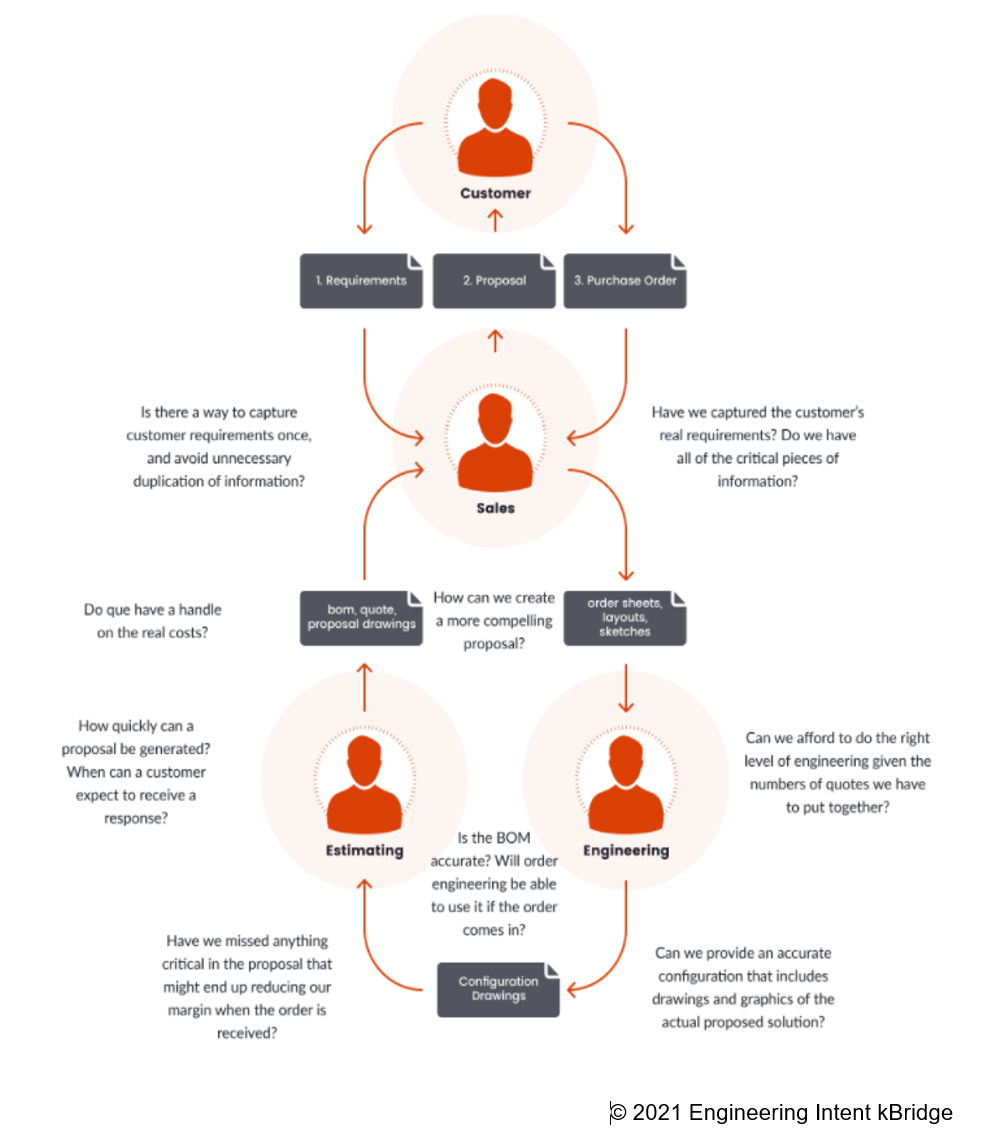 Modifying RFQs becomes quite simple allowing prospects' inputs which include a fully engineered, accurately costed, graphically communicative quote.
Sales engineering for the custom configuration of complex products presents unique challenges. The solution is to capture and automate configuration and engineering rules and deploy a comprehensive sales automation system. Doing so enables the widest possible range of team members
...See More..
Modifying RFQs becomes quite simple allowing prospects' inputs which include a fully engineered, accurately costed, graphically communicative quote.
Sales engineering for the custom configuration of complex products presents unique challenges. The solution is to capture and automate configuration and engineering rules and deploy a comprehensive sales automation system. Doing so enables the widest possible range of team members
...See More..
by
Scott Heide
Automating the RFQ Process
by Scott Heide
Workflow Automation Engine B2B eCommerce Digital Transformation
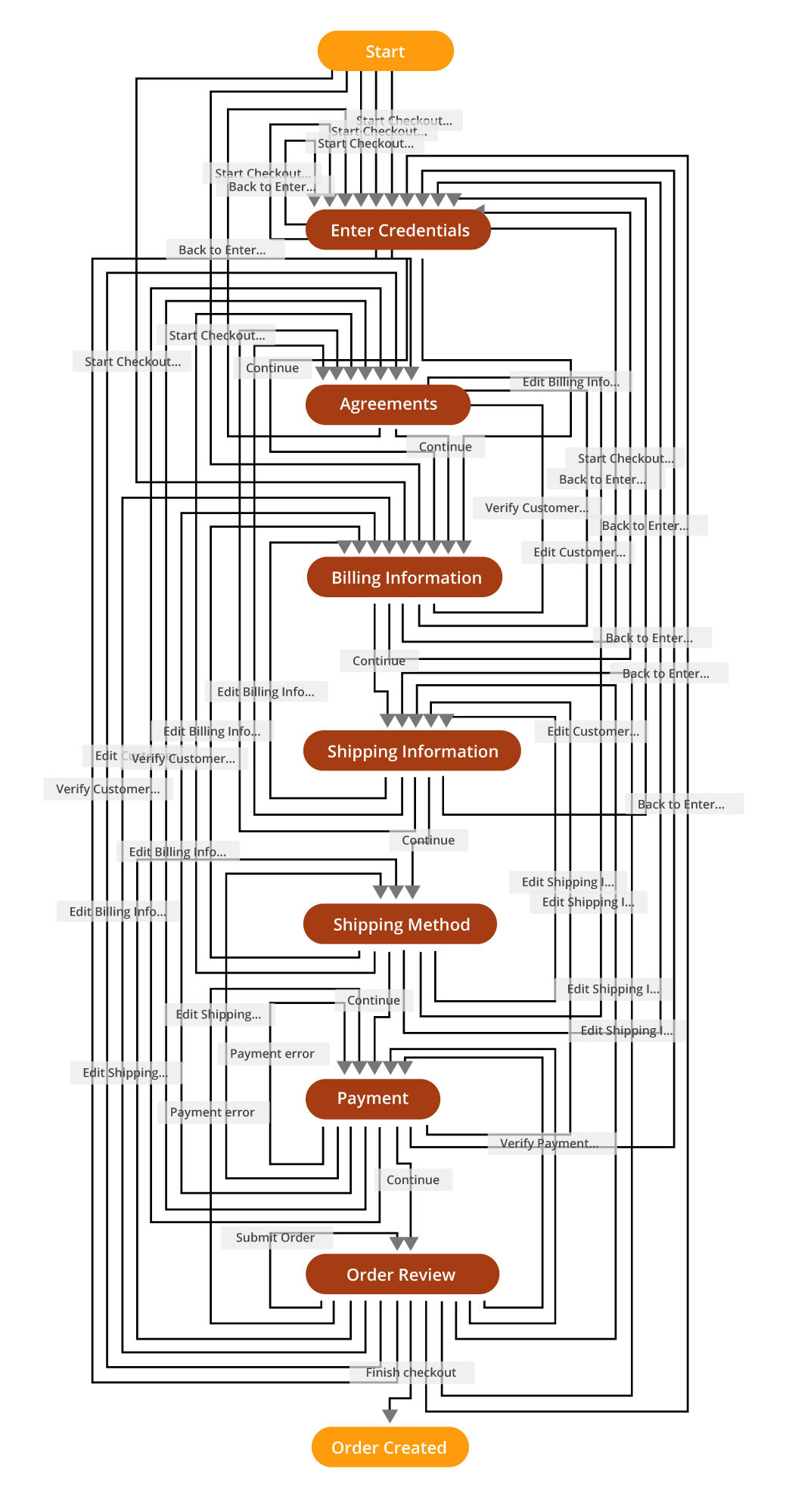 While the drive for "more, better, faster, cheaper" may seem relentless, technology provides the tools that make it possible. Flexible B2B eCommerce workflows are a powerful way to help increase productivity and profitability. Automating routine business tasks translates to increased customer satisfaction, retention, and improved
...See More..
While the drive for "more, better, faster, cheaper" may seem relentless, technology provides the tools that make it possible. Flexible B2B eCommerce workflows are a powerful way to help increase productivity and profitability. Automating routine business tasks translates to increased customer satisfaction, retention, and improved
...See More..
by
Yoav Kutner
Workflow Automation Engine B2B eCommerce Digital Transformation
by Yoav Kutner
Best-in-Class Engineer-to-Order ERP Automates Custom Manufacturing
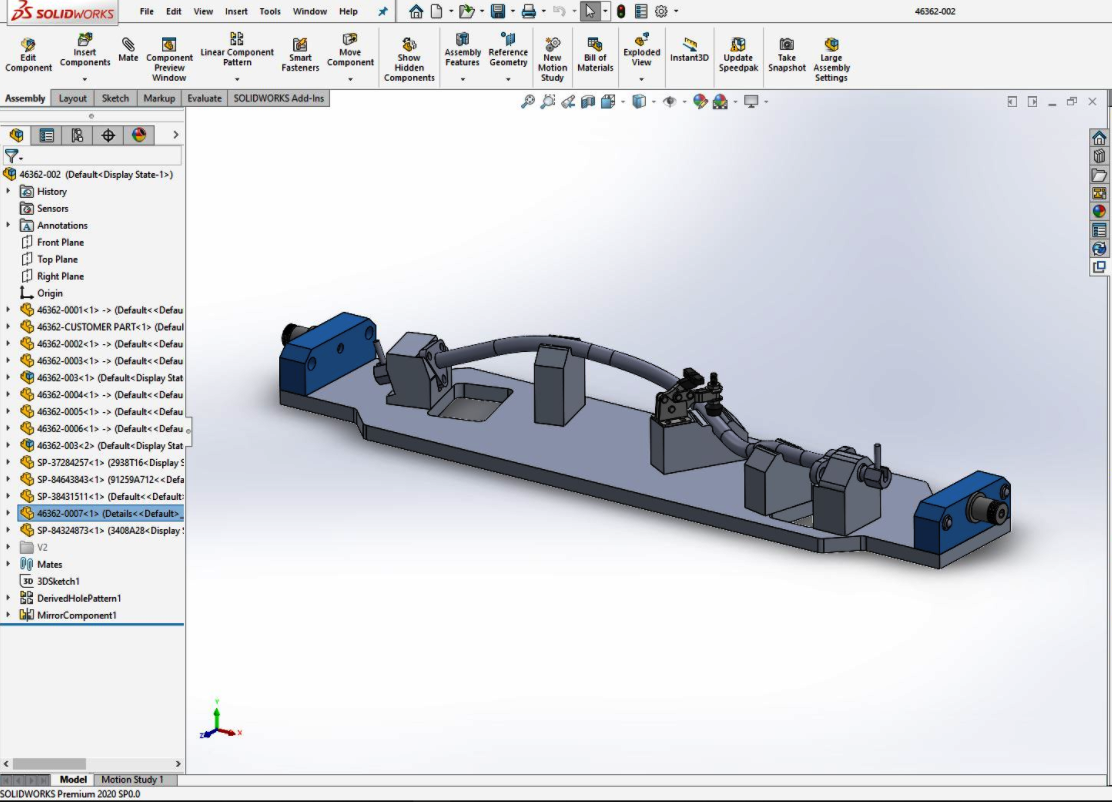 Reducing complexity with engineer-to-order (ETO) automation is finally possible.
More than 50% of all manufacturers now acknowledge aspects of plant operations include customization. Many ETO companies assume it is impossible to automate the entire end-to-end process surrounding product configuration, design, engineering, and production.
...See More..
Reducing complexity with engineer-to-order (ETO) automation is finally possible.
More than 50% of all manufacturers now acknowledge aspects of plant operations include customization. Many ETO companies assume it is impossible to automate the entire end-to-end process surrounding product configuration, design, engineering, and production.
...See More..
Best-in-Class Engineer-to-Order ERP Automates Custom Manufacturing
Ergonomic SaaS Automation Required During COVID-19
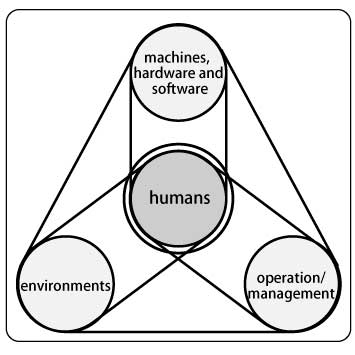 Ergonomics describes the interaction between humans and other elements of a system, in this case, factory employees and their respective industrial machinery. COVID-19 urgency has forced a new definition for good ergonomics which applies design principles to co-ordinate the devices, systems, and safe working conditions in a factory. Until now it was nearly impossible to cost-effectively automate ergonomic functions.
...See More..
Ergonomics describes the interaction between humans and other elements of a system, in this case, factory employees and their respective industrial machinery. COVID-19 urgency has forced a new definition for good ergonomics which applies design principles to co-ordinate the devices, systems, and safe working conditions in a factory. Until now it was nearly impossible to cost-effectively automate ergonomic functions.
...See More..
Ergonomic SaaS Automation Required During COVID-19
Hydraulics and Electrical Controls: The Heart of Automation
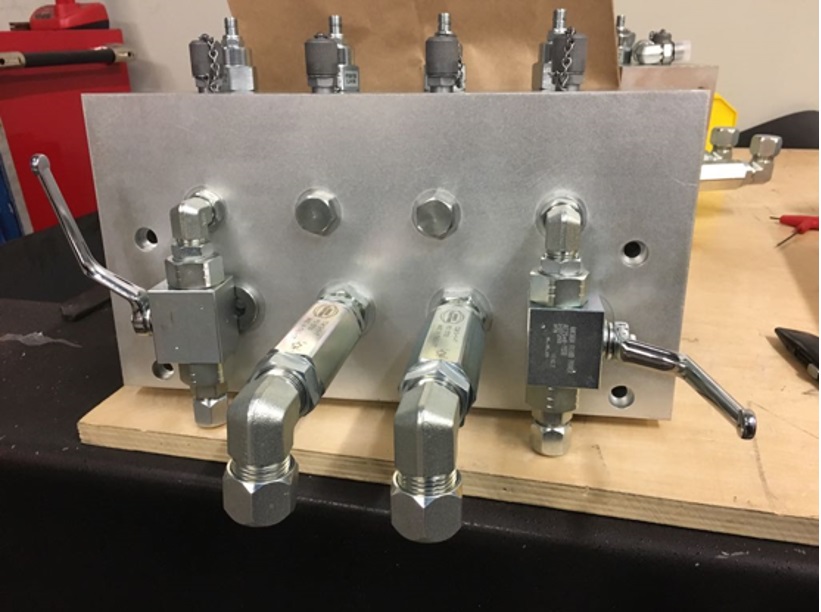 In January 2021, it is quite probable that a $15 per hour minimum wage will become the law. With increasing labor costs and technology becoming less expensive, the paradigm of manufacturing productivity will be forever changed. The need for increased productivity will be addressed by automation.
Key elements of automation are hydraulics and electrical controls. While electrical controls are used to create logic elements, the work performed
...See More..
In January 2021, it is quite probable that a $15 per hour minimum wage will become the law. With increasing labor costs and technology becoming less expensive, the paradigm of manufacturing productivity will be forever changed. The need for increased productivity will be addressed by automation.
Key elements of automation are hydraulics and electrical controls. While electrical controls are used to create logic elements, the work performed
...See More..
by
Nimit Patel
Hydraulics and Electrical Controls: The Heart of Automation
by Nimit Patel
The Best Innovation of MODEX 2020: Picavi Cockpit Pick-by-Vision
 The Picavi Cockpit tool generates smart data for managing, maintaining, and customizing the screen of the Pick-by-Vision glasses: analytics, mobile device management (MDM) and configurator. Users benefit from enormous time and cost savings, greater flexibility and transparency as well as improved process quality.
Unlike anything else at MODEX, this innovation unleashes the full potential of order picking supported by assisted reality (AR).
...See More..
The Picavi Cockpit tool generates smart data for managing, maintaining, and customizing the screen of the Pick-by-Vision glasses: analytics, mobile device management (MDM) and configurator. Users benefit from enormous time and cost savings, greater flexibility and transparency as well as improved process quality.
Unlike anything else at MODEX, this innovation unleashes the full potential of order picking supported by assisted reality (AR).
...See More..
The Best Innovation of MODEX 2020: Picavi Cockpit Pick-by-Vision
Small Manufacturers Automate Comparison Pricing
 Every manufacturer must pay attention to costs and competitors' pricing. For better or worse, purchasing professionals are rewarded for capturing the lowest price; few have the time to scour the internet for ever RFQ to see if the bid offered is indeed competitive. Measuring value with price experiments is not realistic. Full-time competitive pricing professionals could work 24/7 to generate statistically valid and accurate data. For the small and mid-sized manufacturer, the solution is...
...See More..
Every manufacturer must pay attention to costs and competitors' pricing. For better or worse, purchasing professionals are rewarded for capturing the lowest price; few have the time to scour the internet for ever RFQ to see if the bid offered is indeed competitive. Measuring value with price experiments is not realistic. Full-time competitive pricing professionals could work 24/7 to generate statistically valid and accurate data. For the small and mid-sized manufacturer, the solution is...
...See More..
by
Mike Franz
Small Manufacturers Automate Comparison Pricing
by Mike Franz
Upgrade to Industry 4.0 While Running A Legacy System
 The growth of IIoT is exponential; Global Industry Analysts, Inc projects growth of the market at an annual rate of 7.1% worldwide and 8.1% in the United States. This interest in industrial Iot-based solutions is evident when reading industry publications, where there is an abundance of articles extolling the virtues of IIoT. But how can you reap the benefits of this technology when your plant is running a legacy system?
...See More..
The growth of IIoT is exponential; Global Industry Analysts, Inc projects growth of the market at an annual rate of 7.1% worldwide and 8.1% in the United States. This interest in industrial Iot-based solutions is evident when reading industry publications, where there is an abundance of articles extolling the virtues of IIoT. But how can you reap the benefits of this technology when your plant is running a legacy system?
...See More..
by
Marla Keene
Upgrade to Industry 4.0 While Running A Legacy System
by Marla Keene
Overall Pricing Effectiveness Takes Lessons from Overall Equipment Effectiveness
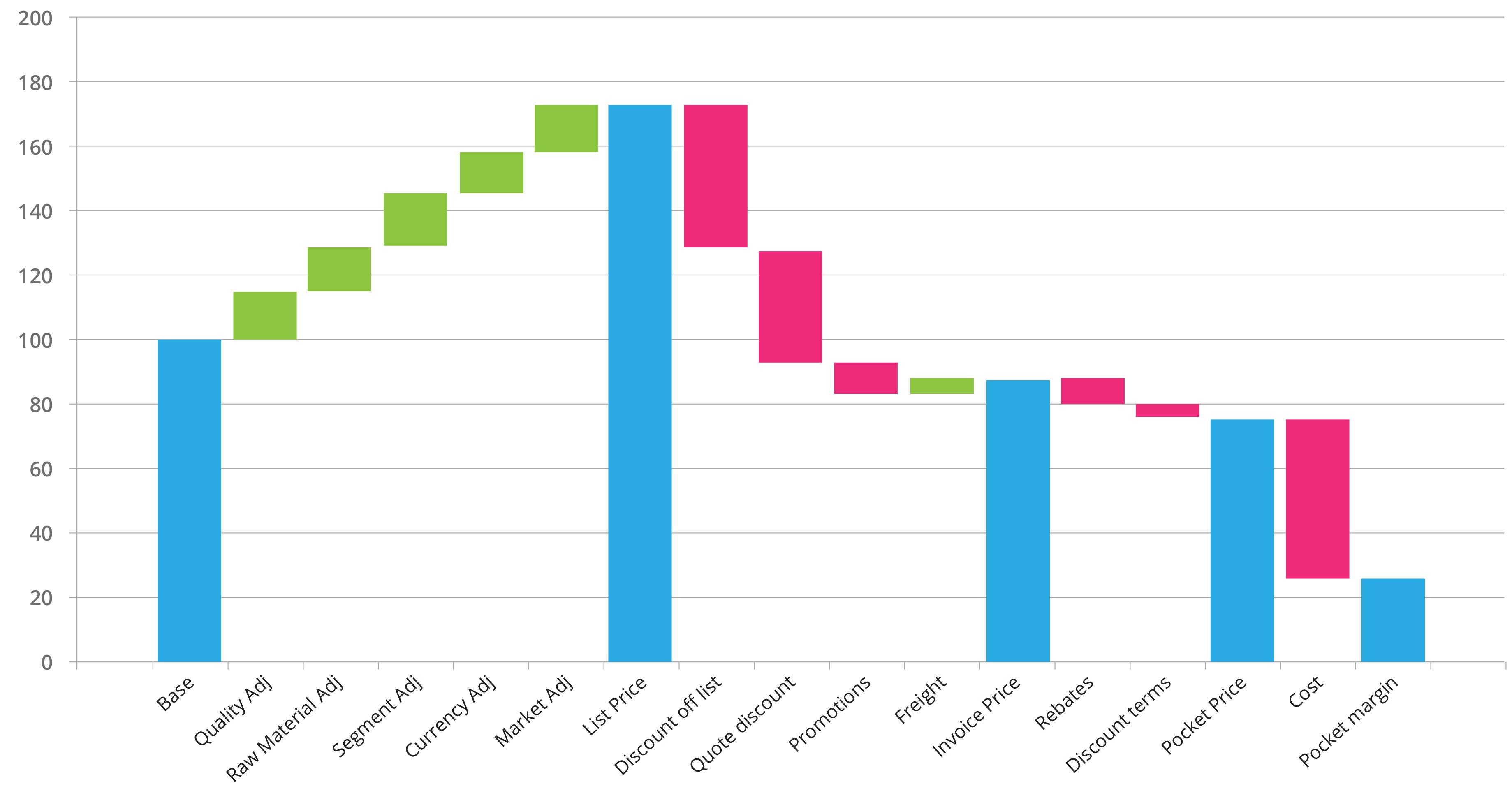 A decade ago, the rhetorical question asked by manufacturers was whether plant equipment was operating at maximum effectiveness. More specifically the inquiry was evaluating equipment availability, performance, and quality output.
That lean manufacturing principle led to a rationale, explanation, and progression of Overall Equipment Effectiveness (OEE).
...See More..
A decade ago, the rhetorical question asked by manufacturers was whether plant equipment was operating at maximum effectiveness. More specifically the inquiry was evaluating equipment availability, performance, and quality output.
That lean manufacturing principle led to a rationale, explanation, and progression of Overall Equipment Effectiveness (OEE).
...See More..
Overall Pricing Effectiveness Takes Lessons from Overall Equipment Effectiveness
Determining the Right Time to Sell a Manufacturing Company
 According to Investopedia, approximately 10,000 Baby Boomers are retiring each day. Many of them are founders of manufacturing companies started in the 70's, 80's, or 90's. Those founders are ready to retire, and many are considering selling their manufacturing companies.
...See More..
According to Investopedia, approximately 10,000 Baby Boomers are retiring each day. Many of them are founders of manufacturing companies started in the 70's, 80's, or 90's. Those founders are ready to retire, and many are considering selling their manufacturing companies.
...See More..
Determining the Right Time to Sell a Manufacturing Company
Holiday Warehouse Automation
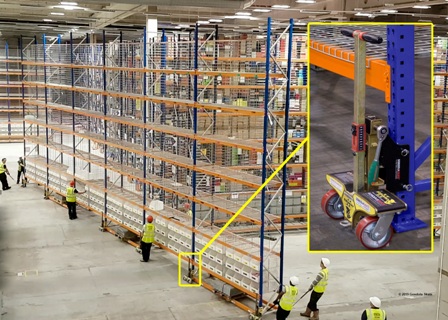 B2C (Business to Consumer) changing market dynamics, increased technical complexity, and the unyielding pressure to do more with less, requires that warehouse and DC managers look to innovative solutions to make the most of the space they have (especially since adding square footage, if available, is prohibitively expensive).
...See More..
B2C (Business to Consumer) changing market dynamics, increased technical complexity, and the unyielding pressure to do more with less, requires that warehouse and DC managers look to innovative solutions to make the most of the space they have (especially since adding square footage, if available, is prohibitively expensive).
...See More..
Holiday Warehouse Automation
Accessing Existing Business Intelligence Automates Industrial Profitability
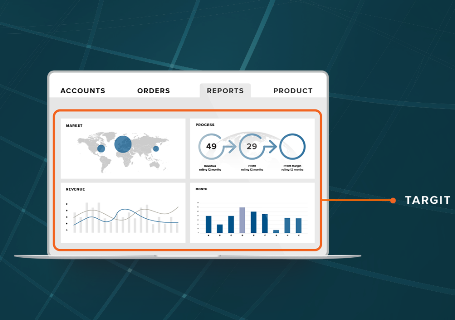 Too often manufacturing firms, even top-tier operations managers, use company analyses or reports which neglect to ask why outcomes failed. There is attention paid to all variables evenly and equally rather than discerning which area of an industrial business needs most attention to improve profit.
...See More..
Too often manufacturing firms, even top-tier operations managers, use company analyses or reports which neglect to ask why outcomes failed. There is attention paid to all variables evenly and equally rather than discerning which area of an industrial business needs most attention to improve profit.
...See More..
Accessing Existing Business Intelligence Automates Industrial Profitability
Augmented Reality, Artificial Intelligence, and Smart Glasses
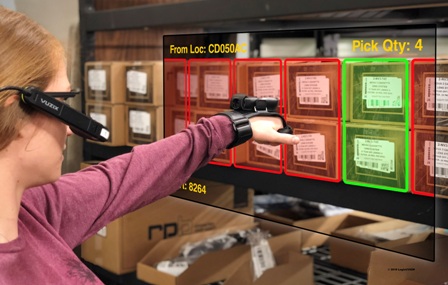 WMS (Warehouse Management Systems) solutions are good at managing information, but not truly intuitive for the floor worker. This is primarily because lines of text are not the best way to tell someone how to do work; humans respond best to visual instructions. For that reason, most companies discuss on-boarding and training in terms of days, or worse yet, weeks. Visual Input Enabled Wearable (VIEW) technology rethinks workforce ...
...See More..
WMS (Warehouse Management Systems) solutions are good at managing information, but not truly intuitive for the floor worker. This is primarily because lines of text are not the best way to tell someone how to do work; humans respond best to visual instructions. For that reason, most companies discuss on-boarding and training in terms of days, or worse yet, weeks. Visual Input Enabled Wearable (VIEW) technology rethinks workforce ...
...See More..
by
Seth Patin
Augmented Reality, Artificial Intelligence, and Smart Glasses
by Seth Patin
Automatic Truck Loading Systems Increase Efficiency by 400 Percent
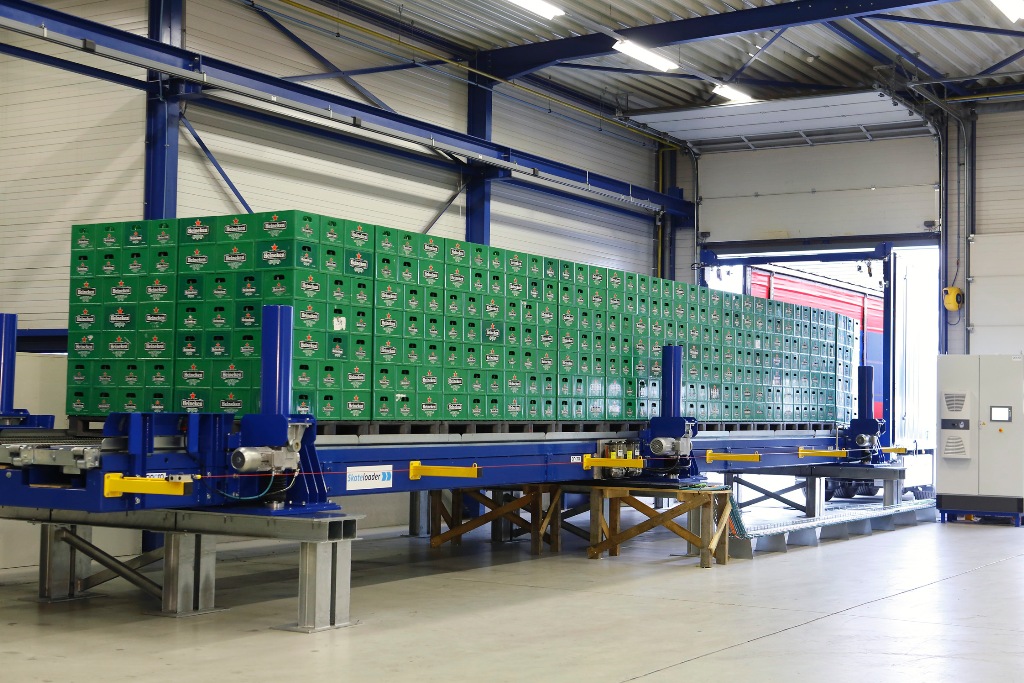 Automatic Truck Loading Systems (ATLS) increase efficiency by 400% compared to traditional forklift truck loading. This automation is particularly important as 3PLs (third party logistics) companies, distribution centers (DCs), and warehouses all get ready for the all-important holiday picking, packing, and shipping season. There is a fundamental flaw ...
...See More..
Automatic Truck Loading Systems (ATLS) increase efficiency by 400% compared to traditional forklift truck loading. This automation is particularly important as 3PLs (third party logistics) companies, distribution centers (DCs), and warehouses all get ready for the all-important holiday picking, packing, and shipping season. There is a fundamental flaw ...
...See More..
by
Jack Smylie
Automatic Truck Loading Systems Increase Efficiency by 400 Percent
by Jack Smylie
Automated Optimization Generates 77 Percent Reduction in Barcode Scans
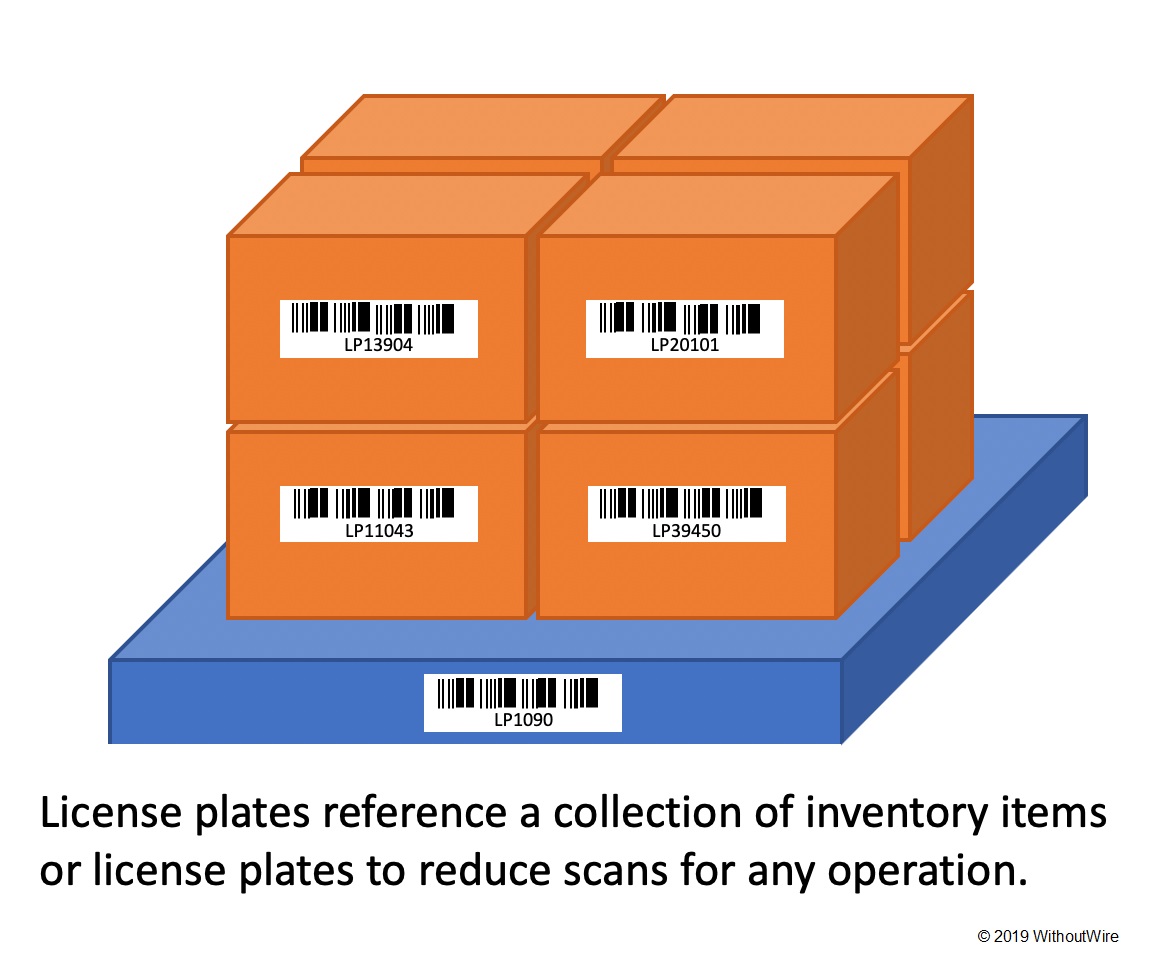 Insight into techs, warehouses, and neighboring sources have a direct correlation to customer satisfaction. Automating this process by using mobile devices, field service technicians keep inventory updated, allowing everyone in the eco-system to review part inventories. When a part is needed, warehouse operators are notified on their device immediately for fast delivery or pick up. Once a part is in the possession of the tech, inventory is automatically ...
...See More..
Insight into techs, warehouses, and neighboring sources have a direct correlation to customer satisfaction. Automating this process by using mobile devices, field service technicians keep inventory updated, allowing everyone in the eco-system to review part inventories. When a part is needed, warehouse operators are notified on their device immediately for fast delivery or pick up. Once a part is in the possession of the tech, inventory is automatically ...
...See More..
by
Travis Smith
Automated Optimization Generates 77 Percent Reduction in Barcode Scans
by Travis Smith
Two Functions at Manufacturing Organizations Prime for Process Improvement
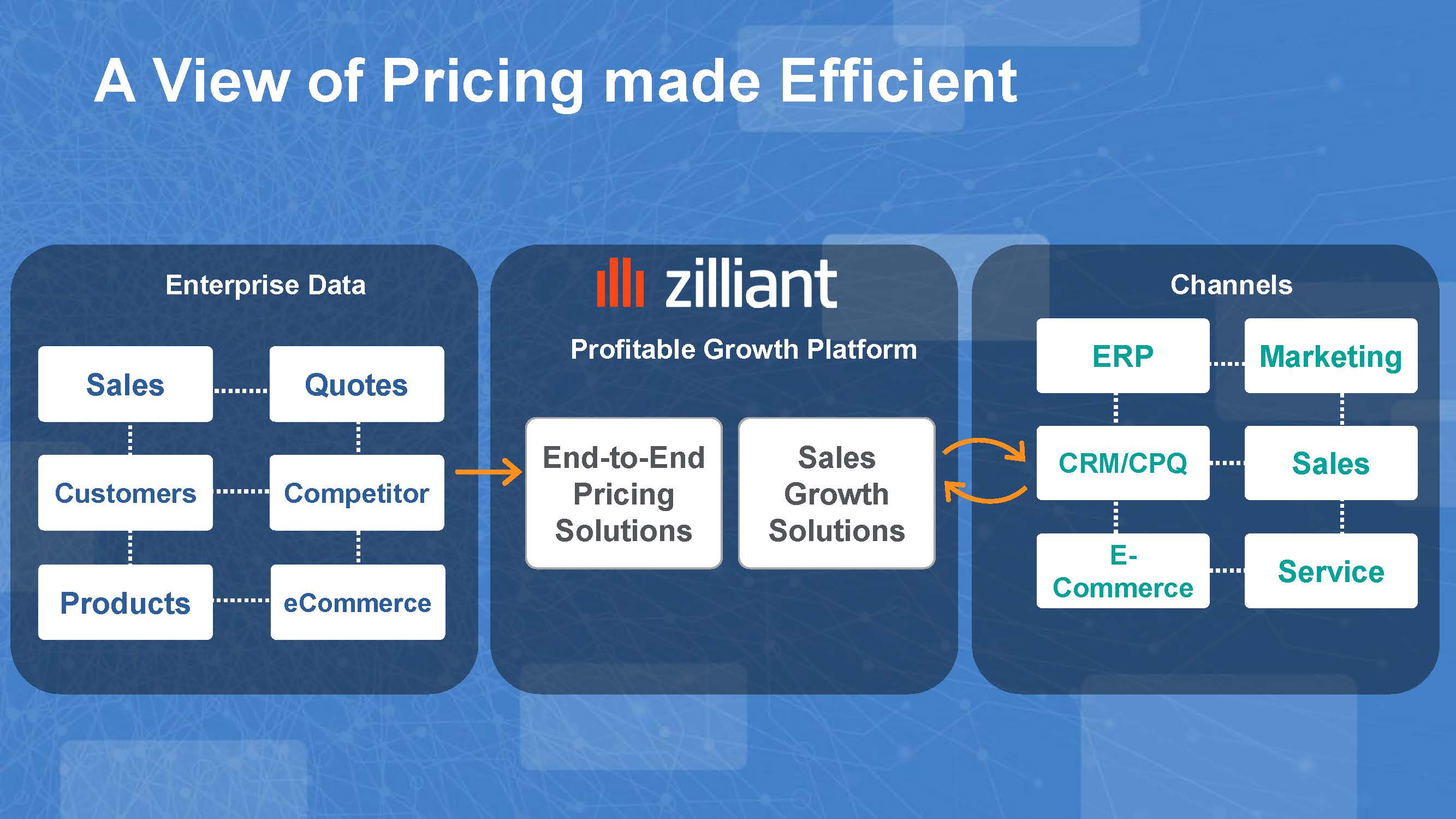 Two functions at manufacturing organizations are prime for process improvement: selling and pricing. A closer look at the selling function reveals that despite reducing labor costs via transformational automation solutions, sales teams still manage large, antiquated portfolios. They are expected to increase their book of business while retaining current customers ...
...See More..
Two functions at manufacturing organizations are prime for process improvement: selling and pricing. A closer look at the selling function reveals that despite reducing labor costs via transformational automation solutions, sales teams still manage large, antiquated portfolios. They are expected to increase their book of business while retaining current customers ...
...See More..
Two Functions at Manufacturing Organizations Prime for Process Improvement
Capturing Improved Productivity: Tugger Train Automation
 Ultimately the reason for automation is to capture improved productivity. Cesar Jimenez, a Toyota Material Handling, U.S.A. employee shared that a forklift can only carry up to two loads at a time. A tugger with multiple heavy-duty carts can be pulled and moved at the same time. The result is improved safety and productivity. Too often automation and robotics are characterized by sensors driving Industry 4.0 and the Industrial Internet of Things (IIoT).
...See More..
Ultimately the reason for automation is to capture improved productivity. Cesar Jimenez, a Toyota Material Handling, U.S.A. employee shared that a forklift can only carry up to two loads at a time. A tugger with multiple heavy-duty carts can be pulled and moved at the same time. The result is improved safety and productivity. Too often automation and robotics are characterized by sensors driving Industry 4.0 and the Industrial Internet of Things (IIoT).
...See More..
by
Andy Legut
Capturing Improved Productivity: Tugger Train Automation
by Andy Legut
Industry 4.0 and Fork Truck Free
 By 2025, the intralogistics industry must be capable of supporting a highly diverse set of order and distribution channels in keeping with mass customized products and delivery methods. Customers expect deliveries of customized product anywhere at any time, placing fierce demands on DCs for faster throughput. Industry 4.0 data driven approach when combined with FTF will play an integral role.
...See More..
By 2025, the intralogistics industry must be capable of supporting a highly diverse set of order and distribution channels in keeping with mass customized products and delivery methods. Customers expect deliveries of customized product anywhere at any time, placing fierce demands on DCs for faster throughput. Industry 4.0 data driven approach when combined with FTF will play an integral role.
...See More..
Industry 4.0 and Fork Truck Free
AGV Automation in the Automotive Sector
 For decades, automated guided vehicle (AGV) technology has delivered materials handling and logistics solutions to the world's largest and most sophisticated automotive companies. Automotive manufacturers have embraced the lean principles of advanced logistics and manufacturing solutions. Fork truck free (FTF) initiatives and operations are the standard in North America and Europe since 2015. Automotive companies and their Tier 1 suppliers recognize the need for partnership in the AGV industry.
...See More..
For decades, automated guided vehicle (AGV) technology has delivered materials handling and logistics solutions to the world's largest and most sophisticated automotive companies. Automotive manufacturers have embraced the lean principles of advanced logistics and manufacturing solutions. Fork truck free (FTF) initiatives and operations are the standard in North America and Europe since 2015. Automotive companies and their Tier 1 suppliers recognize the need for partnership in the AGV industry.
...See More..
AGV Automation in the Automotive Sector
Automated Guided Vehicles' Traffic Control Software Advances Value Proposition of Mobile Robots
 AGV (Automated Guided Vehicles) systems in some ways follow the evolution of America's transportation system. Railroads represented the first 'automated' transportation for material; people and products. These systems were constrained to run on pre-defined routes with specific schedules. Changing routes, or adding destinations, was a monumental undertaking. The system evolved with the introduction of the interurban rail system (e.g., trolley systems). Routes and destinations were fixed yet easie
...See More..
AGV (Automated Guided Vehicles) systems in some ways follow the evolution of America's transportation system. Railroads represented the first 'automated' transportation for material; people and products. These systems were constrained to run on pre-defined routes with specific schedules. Changing routes, or adding destinations, was a monumental undertaking. The system evolved with the introduction of the interurban rail system (e.g., trolley systems). Routes and destinations were fixed yet easie
...See More..
by
Rob Sullivan
Automated Guided Vehicles' Traffic Control Software Advances Value Proposition of Mobile Robots
by Rob Sullivan
New Automation Architecture Drives Changes in the Voice Picking Landscape
 Server-based voice picking companies have been promoting custom, proprietary systems as superior to existing workflows and businesses processes. Embedded in these claims is a bit of arrogance about what is best for businesses claiming they are the experts of voice picking. While there have been successes utilizing well-known server-based voice-embedded, with big names like Vocollect, many companies have been burned, leaving a sour taste for voice-picking. The promises of integrated software modu
...See More..
Server-based voice picking companies have been promoting custom, proprietary systems as superior to existing workflows and businesses processes. Embedded in these claims is a bit of arrogance about what is best for businesses claiming they are the experts of voice picking. While there have been successes utilizing well-known server-based voice-embedded, with big names like Vocollect, many companies have been burned, leaving a sour taste for voice-picking. The promises of integrated software modu
...See More..
New Automation Architecture Drives Changes in the Voice Picking Landscape
Cloud-based MES, ETO, and Job Element Monitoring
 A Manufacturing Execution System (MES) is a system that manufacturers can use to measure and control critical production activities. Some of the benefits of MES solutions are increased traceability, productivity, and quality. Other functions served by MES solutions may include equipment tracking, product genealogy, labor tracking, inventory management, costing, electronic signature capture, defect and resolution monitoring, key performance indicator (KPI) monitoring and alarming, executive dashb
...See More..
A Manufacturing Execution System (MES) is a system that manufacturers can use to measure and control critical production activities. Some of the benefits of MES solutions are increased traceability, productivity, and quality. Other functions served by MES solutions may include equipment tracking, product genealogy, labor tracking, inventory management, costing, electronic signature capture, defect and resolution monitoring, key performance indicator (KPI) monitoring and alarming, executive dashb
...See More..
Cloud-based MES, ETO, and Job Element Monitoring
Lean and Technology: the Rapid Growth of the Demand Driven Institute
 Lean advocates often get accused of being anti-technology, but do Lean advocates really want manufacturing companies to abandon the promise of technology? The answer should be yes when that technology is wasteful, confusing, and not reflective of reality, whit it force-fits concepts so as to simply permit their use. Unfortunately, this has been the situation for quite some time with regard to traditional MRP and DRP (distribution requirements planning) systems.
...See More..
Lean advocates often get accused of being anti-technology, but do Lean advocates really want manufacturing companies to abandon the promise of technology? The answer should be yes when that technology is wasteful, confusing, and not reflective of reality, whit it force-fits concepts so as to simply permit their use. Unfortunately, this has been the situation for quite some time with regard to traditional MRP and DRP (distribution requirements planning) systems.
...See More..
by
Chad Smith
&
Carol Ptak
Lean and Technology: the Rapid Growth of the Demand Driven Institute
by Chad Smith & Carol Ptak
The Problem: Untapping the Value in Extended Enterprise Value ChainsThe Solution: Demand Driven Enterprise-wide Supply Chain Solutions
 Over the past decade there has been a great need for better technology solutions to address global demand-driven and enterprise-wide supply chains. While lean manufacturing initiatives have instigated certain processes, such as Kanban, the reality for global manufacturers is simple: ERP (enterprise resource planning) solutions (from NetSuite to Oracle to SAP and others) have failed to deliver the promises needed. ERP is a critical and important aspect of any manufacturing firm; it is not a panac
...See More..
Over the past decade there has been a great need for better technology solutions to address global demand-driven and enterprise-wide supply chains. While lean manufacturing initiatives have instigated certain processes, such as Kanban, the reality for global manufacturers is simple: ERP (enterprise resource planning) solutions (from NetSuite to Oracle to SAP and others) have failed to deliver the promises needed. ERP is a critical and important aspect of any manufacturing firm; it is not a panac
...See More..
by
Frank Kapper
The Problem: Untapping the Value in Extended Enterprise Value ChainsThe Solution: Demand Driven Enterprise-wide Supply Chain Solutions
by Frank Kapper
Tweets by AutomationMedia
Manufacturing Insights
- How Warehouse Optimization Technology : Impacts Sparkling Wine Manufacturer Schloss Wachenheim
- Egyptian Manufacturer LinkMisr : Highlights Warehouse Automation Benefits at MODEX 2022
- Automation and Artificial Intelligence in the Film Industry
- Quality Digest Defines Enhanced Webinar Events
- Discrete Manufacturers Access New Tools to Manage a Changing Factory Floor
- Large Manufacturers with Special Projects No Longer Ignored - Thanks to Project Business Automation
- Manufacturing Throughput Starts with Hiring
- Manufacturers Automate Pricing to Manage Pandemic
- Autonomous Forklifts During the Pandemic : Automation as a Return-to-Work Strategy
- Cloud-Based Manufacturing Solutions Must Interface with QuickBooks, Shopify, Xero, WooCommerce and BigCommerce
- Lean Manufacturing Automation 2019: Digital Visual Management
- Lean Manufacturing Finally Arrives at the Sales Process
- Less is More: How SKU-Keeper by Voodoo Robotics is Redefining Traceability Technology
- The Need for Effective Communication Regarding Automation
Editor's Ramblings
-
New Products Brought to Market Faster with Cloud-Based Technologies
The customers are training the manufacturing sector with the mantra, make what I want, when I want it or I will take my business elsewhere. This insistence for a one-of-a-kind (or far from "off-the-shelf") solution requires that new products be brought to market faster than ever. .... [Read More] -
Big Data Scientists with Big Pay and Big Stress
A survey of 600 data scientists found that many are "exhibiting high levels of work-related stress", with more than a quarter reporting they were "heavily stressed." .... [Read More] -
Relentless Pursuit: Fatigue Ensues
When new lean teams gather for the first time there is usually an imperative for the program. From operations managers, maintenance managers, quality control manager to C-level participants and plant floor workers, there is an initial enthusiasm for the concept and quasi-religious fervor of eliminating waste and zealous appreciation that this is the beginning of a long road to continuous process improvement. Fast forward two years later and those same folks, if still employed by the same company, are tired, far less enthusiastic, and even bored with the lean process. .... [Read More] -
Manufacturing Execution Systems Allow for Innovation and Manage Variability
Managing a highly configurable product through the manufacturing process can be a daunting task, manufacturing execution systems (MES) with advanced configuration capabilities can help. Parametrics involve the ability to adjust based on parameters. The dictionary definition of a parametric equation implies that such parameters are based on coordinates. For a project-based manufacturer using an MES, those coordinates take on great importance. MES technology solutions should include parametrics which go far beyond using parameters only to represent coordinates; the coordinates should have the capacity to dynamically adjust bills of materials, bills of labor, routings, costs, selling prices, and sizes. .... [Read More]
Press Releases
& News
Featured:
 Quest Controls Provides a Fast Payback and High ROI to Customers Using its Smart Adaptive Control HVAC Economizer Algorithm
 -
ONDO Solutions enable the set-up of a major agri-innovation centre in South Africa
-
New Alfa Laval ThinkTop pulse seat clean for drain valves saves up to 95% in CIP liquid
-
New Alfa Laval CM Connect leverages digitalization to optimize hygienic processing
-
ONDO Smart Farming Solutions announcing a Kickstart program for irrigation automation of small and mid-size farms
-
Greenliant Sampling I-temp NVMe U.2 SSDs Up to 7.68TB
-
Quest Controls Introduces the Model 400 HVAC Controller – A Comprehensive Monitoring and Control System for Telecom/Broadband Facilities.
-
ONDO Smart Farming Solutions raises new seed funding of 1 million euro
-
Maxim Integrated and SICK AG Team Up for Industry’s Smallest LiDAR Safety Laser Scanner
-
ONDO Announces New Thermal Screens Control for Greenhouses
Automation & Control Knowledgebase
Top 20 Views by Industry Professionals on our site
Most Viewed - Overall See More..
- Database (453545)
- CPU (145926)
- OPC - Component Object Model (140615)
- Application Program Interface (115924)
- CRC (107981)
- DF1 (78400)
- OPC - Benefits to Users (72659)
- RTU (Remote Terminal Unit) (70413)
- OPC - What is it? (67024)
- DCOM - What is it? (65871)
- Buffering (65572)
- SCADA (64210)
- HART (63948)
- API (63347)
- OPC - What is OPC Client? (63260)
- Central Processing Unit (63091)
- VSTO - What is it? (62225)
- ODBC - ODBC Driver (60952)
- ODBC - ODBC Architecture (Typical) (60894)
- ODBC - Data Source (60819)
Viewed during Last Hour See More..
- Datablock or Poll Record /
- Baud /
- DSSS (direct sequence spread spectrum) /
- Remote Terminal /
- Host Computer, Host /
- Bit /
- Poll Record or Datablock /
- Simplex /
- VHF (Very High Frequency) /
- kHz (Kilohertz) /
- Hot Standby /
- Thermocouple K-Type /
- Repeater /
- DOX (Data Operated Transmit) /
- Carrier Sense /
- Telemetry /
- VSTO - What is it? /
- Packet /
- Gain /
- Full Duplex Repeater /
Most Viewed KB Info: See More..
- IO Driver - How it works?
- Datablock or Poll Record
- DH+ - What is it?
- Electronic Signatures - What is it?
- 21 CFR Part 11 - What is it?
- Bluetooth Technology - What is it?
- RS232 Data Interface
- VoIP Technology - What is it?
- DDE - What is it?
- ActiveX - What is it?
- DCOM - What is it?
- OLE Automation - What is it?
- COM - What is it?
- OPC - History